


Trending: Now or Later

Predictive not Predictable
This week we are walking through how to use predictive analytics in journalistic social media. In too many cases, companies and individuals get caught up in the big-picture predictive analytics brings. In last week’s post, we spoke on the ‘Big Three’ practices found across all successful predictive analytic programs. However, we wish to further break down the subject, and create a more precise guide.
Often, social media posts aren’t plotted out on spreadcharts but are made in the moment to stay relevant. Especially in the journalistic field, keeping on top of the current trend is a high priority for a successful social media account. However, too often we see companies and profiles chase these trends, which quickly comes across as disingenuous (1).
So we will walk through how to use predictive analytics to stay up-to-date with current trends: predictive not predictable.
Step 1: Use Social Media. Please.
Shocking we know, but people can quickly recognize when you aren’t a regular on social media. The internet is a surprisingly tight-knit group despite how large it is, and interlopers can be quickly sniffed out. This is what creates the ‘Hello fellow kids!’ vibe from corporate accounts. All internet and social media regulars know the sensation of seeing a trend die on live television as the newscasters begin to talk about the new challenge that swept across the nation a month ago.
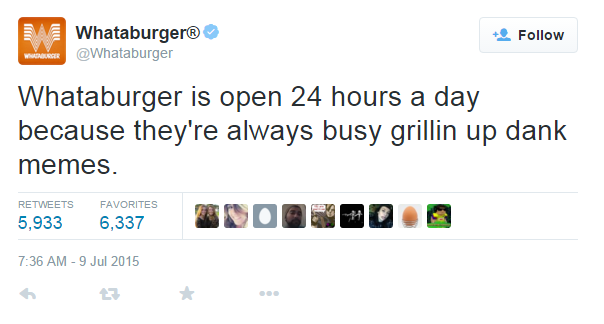
Our doctor’s prescription is to spend your free time on your desired social media platform. The best remedy for ignorance is experience. As you are on social media, think about what you are seeing and reading. Ask yourself questions about what makes some posts better than others. Once you have swam in the water enough, then you will begin to recognize the different currents in the pond.
Step 2: Learn What People Are Looking For
Your post will die if no one cares. A key aspect of following trends is to learn about what is trending. The best way to do this in an empirical sense is to use online trend tools. The most powerful by far that we have found is Google Trends. To no one’s surprise, Google has a lot of information about what people are looking for: which is available online for free (2). However, gathering trending info like this doesn’t always require a special tool. Explore Twitter’s trending hashtags, or YouTube’s trending page for the current hot topic.
Step 3: Watch Your Competition
Since the internet is quite a large pond, glance to your left and right to see who else is creating similar posts. These accounts are your competition, however, they can help you more than you think. There is an old adage which says that ‘Iron sharpens iron.’ We don’t recommend attacking or defacing your competition, see them instead as an instructor to make your brand and posts better.
Observe what parts of their posts you enjoy, and which parts you dislike. Notice how they use keywords, hashtags, and (if you want to get really technical) meta-data. Now consider their platform from the eyes of a casual viewer and compare it to your platform. Find what is appealing about your competition’s platform and what is appealing with your platform (3).
Now don’t copy another account’s voice or style: that’s a race that you will always lose. Instead, find the things that they could be doing better. Find the promise that they aren’t fulfilling or the audience and style that they aren’t utilizing and incorporate it into your platform.
Step 4: If It’s Bad, Then Drop It.
The last step we would prescribe is to diagnose yourself. When you make a post following a current trend, check the data found in your social media analytics and ask if it was worth it. Find out if the changes you made had any marginal increase in any of your KPIs. We doubt that you will see results instantaneously, like a workout program it’s not going to work right away. However, be prepared to drop a trend of style that you tried if it is not working (4).
Don’t dig your teeth into something that won’t help you. From a journalistic/creative perspective, it can be difficult to drop something that you have spent a lot of time and effort into, but sometimes it’s best to invest that time and energy into something else that someone is looking for.
Conclusion
Whether you like it or not, trends have become the bread and butter of social media. Choosing to follow or not follow a trend is a statement in itself. As journalists, however, we have a leg up above everyone else. Since we are familiar with data analytics, specifically predictive analytics we can approach a trend from a different more informed perspective.
Sources
(1) - Gain Blog, https://blog.gainapp.com/how-to-keep-up-with-social-media-trends/, accessed 4/11/2024.
(2) - Google Trends, https://trends.google.com/trends/, accessed 4/11/2024.
(3) - “What Can You Learn From Your Social Media Competition,” LinkedIn, https://www.linkedin.com/advice/1/what-can-you-learn-from-your-social-media-1e, accessed 4/11/2024.
(4) - Sophia Rascoff, Forbes, https://www.forbes.com/sites/forbesbusinesscouncil/2023/02/22/the-rise-and-fall-of-trends-understanding-the-trend-cycle-and-when-to-take-action/?sh=276dc73549ef, accessed 4/11/2024.



Comments